N1
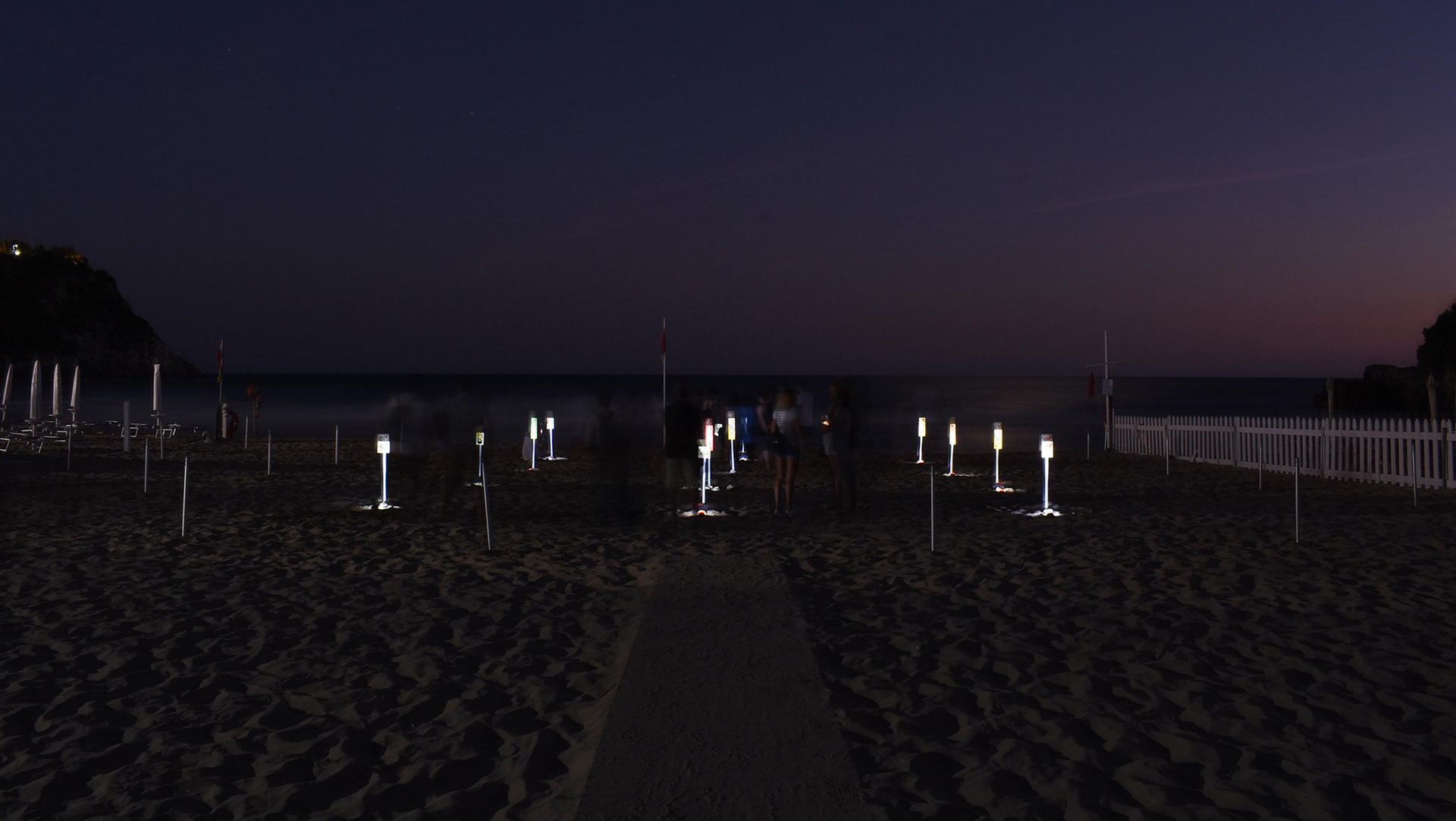
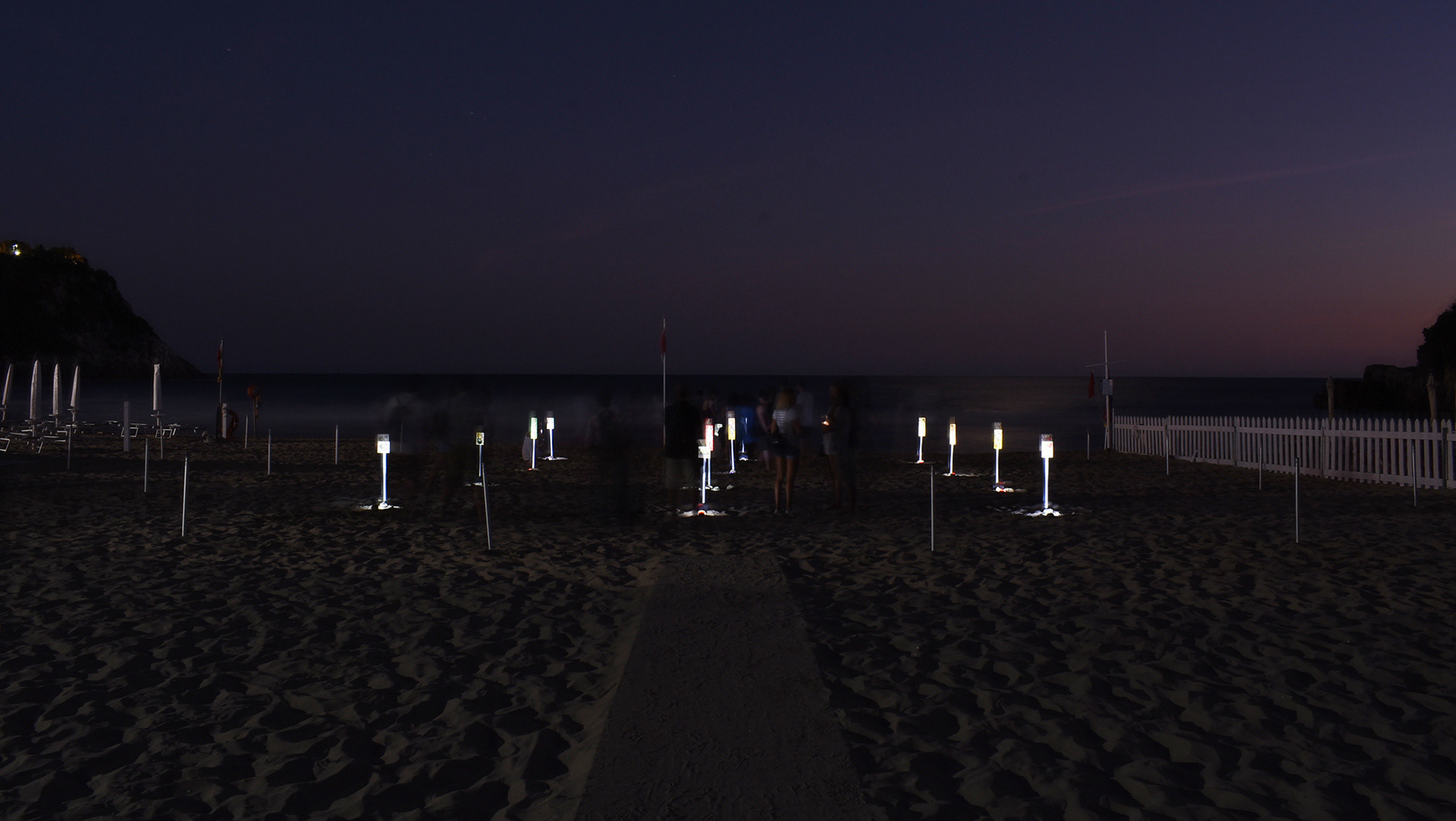
Echoes of Lost Places N1 was produced as the outcome of a one-week summer school held in Simeri (CZ) in September 2025 , where Ivano Pecorini served as tutor for three students: an architect, an industrial designer, and an anthropologist. During the week I guided them in building a Sonic Planimetry: a collective process of situated listening, recording, and spatial/acoustic mapping used to generate site- specific sound works. Working collaboratively across disciplines proved transformative, sharpening the students’ awareness of the ruins and of how sound, together with wind, material porosity, and spatial thresholds, shapes the way people experience a place.
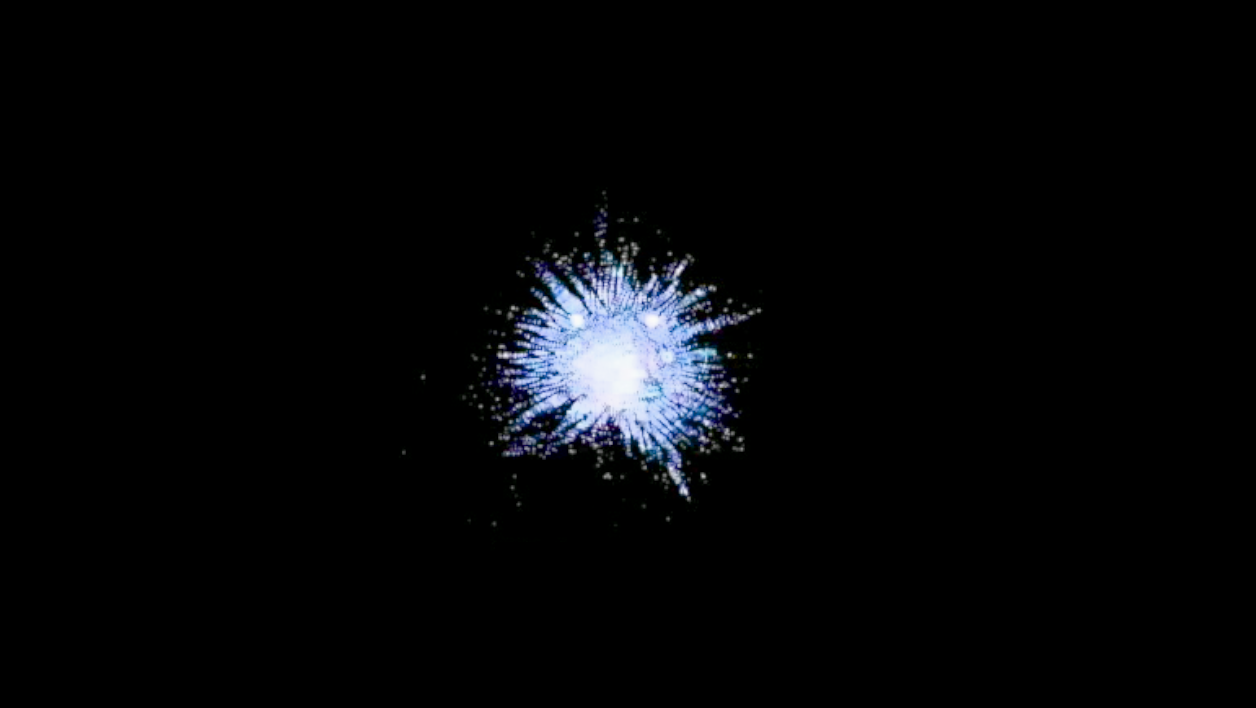
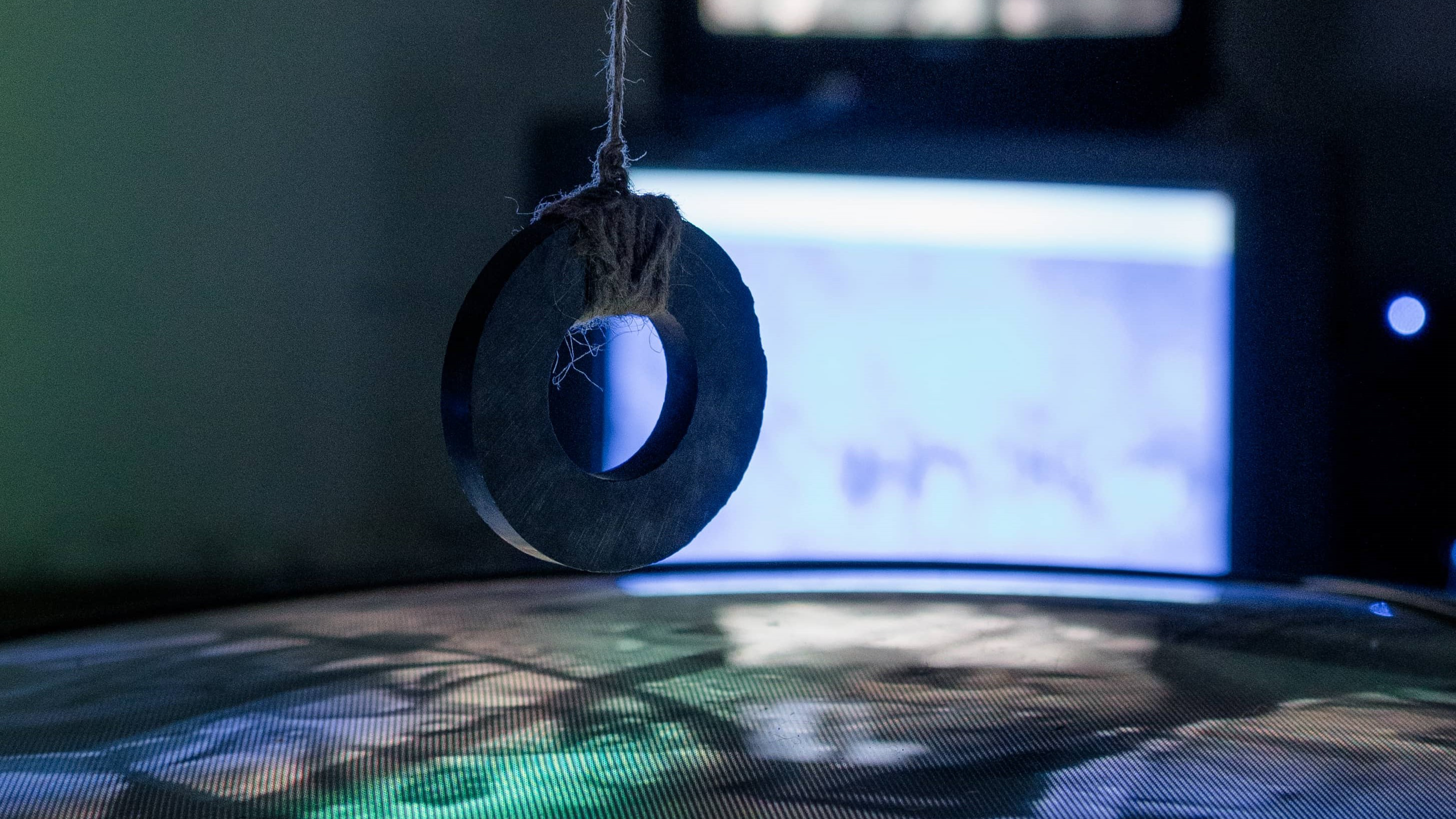
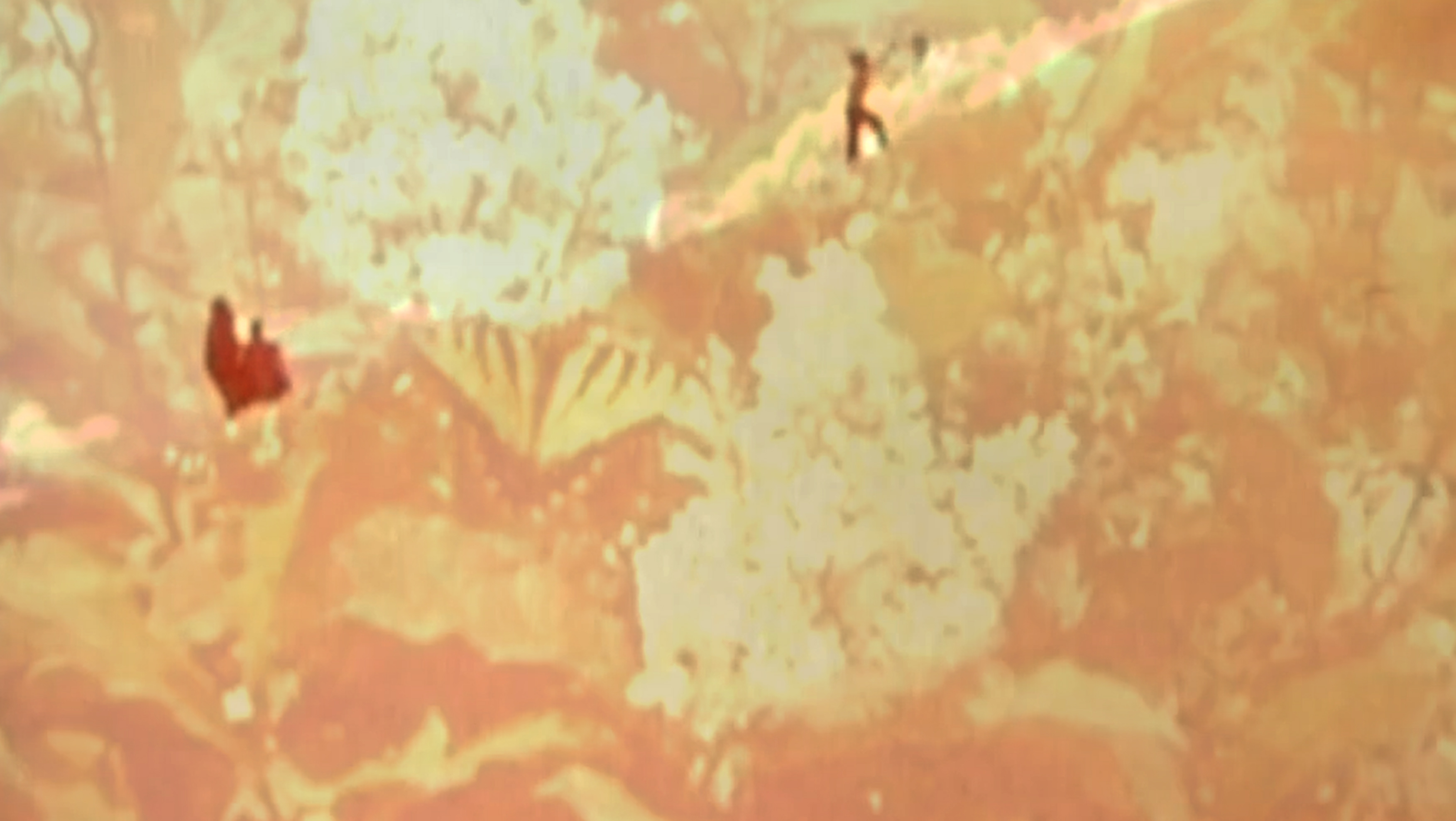
Installed in the ruined church of the Capuchin convent, N1 is an immersive A/ V environment structured around a suspended, ephemeral architecture of four large layers of tulle (approx. 6m × 4m each) stretched along the nave and spaced to create a volumetric, almost holographic depth. The sonic material is rooted in recordings made inside the ruins focusing on architectural details (surfaces, cavities, edges, and micro-resonant points) then organised through the site’s Sonic Planimetry. A stereo electronic composition, tuned to the church’s resonant frequencies, envelops visitors and shifts as they move; in parallel, projections derived from on-site recordings are processed in TouchDesigner into pseudo-3D geometric patterns. The porous fabric responds to air currents and the presence of bodies, producing micro-oscillations that continuously distort the images, turning light into a living, unstable layer that mirrors the “breathing” spatiality of the sound field.
N2
Echoes of Lost Places N2 emerged from the same one-week summer school in Simeri and shares
the same collaborative foundation: through learning and practising Sonic Planimetry together, the
three students developed a deeper sensitivity to the site, the soundscape surrounding them, and the
subtle ways listening conditions memory, orientation, and social experience. While N1 foregrounds
architectural detail as sonic material, N2, installed in the cloister, turns inward, becoming an A/V
work shaped by the group’s memory and lived experience during the summer school. The sound is
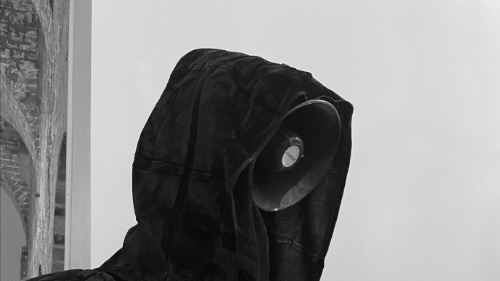
intentionally minimal and intimate: a single loudspeaker placed inside the cloister well, so that
audio appears to rise from within the architecture, as if the site itself were speaking. Visually, the
projections on tulle take an arched “keyhole” form, evoking the sensation of peering through a
door’s lock, framing the images as private glimpses rather than expansive spectacle. This shift in
scale and framing creates a more personal register: the cloister becomes a chamber for recollection,
where the work invites close attention, quiet proximity, and a heightened awareness of how the
site’s acoustics and spatial rituals shape what is remembered and what remains just out of reach.
the same collaborative foundation: through learning and practising Sonic Planimetry together, the
three students developed a deeper sensitivity to the site, the soundscape surrounding them, and the
subtle ways listening conditions memory, orientation, and social experience. While N1 foregrounds
architectural detail as sonic material, N2, installed in the cloister, turns inward, becoming an A/V
work shaped by the group’s memory and lived experience during the summer school. The sound is
intentionally minimal and intimate: a single loudspeaker placed inside the cloister well, so that
audio appears to rise from within the architecture, as if the site itself were speaking. Visually, the
projections on tulle take an arched “keyhole” form, evoking the sensation of peering through a
door’s lock, framing the images as private glimpses rather than expansive spectacle. This shift in
scale and framing creates a more personal register: the cloister becomes a chamber for recollection,
where the work invites close attention, quiet proximity, and a heightened awareness of how the
site’s acoustics and spatial rituals shape what is remembered and what remains just out of reach.